Sunday, April 7, 2024

Radical Centrist Gallery


Podcasts produced at Anamaki Studios in Bath, NH. Sales of art and merchandise from our galleries help cover the costs of production at Anamaki. They also help us to avoid placing commercials in the podcasts. 


This land lies in N’dakinna, the traditional ancestral homeland of the Abenaki, Sokoki, Koasek, Pemigewasset, Pennacook and Wabanaki Peoples past and present. We acknowledge and honor with gratitude those who have stewarded N’dakinna throughout the generations.


Images by Wayne D. King

Your purchases of images from the gallery benefit the Podcast 
and make it possible to produce these podcasts without advertisements.

No room for a new piece of art? All these images are available as cards, mugs, puzzles, shower curtains, phone cases, clothing, totes, and more. Click here for merch.


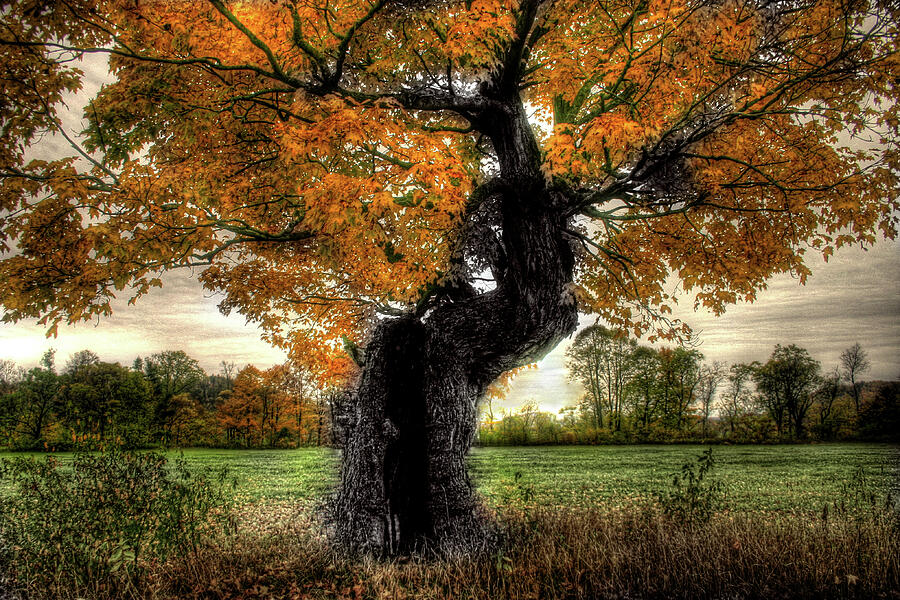
Grandfather's Maple


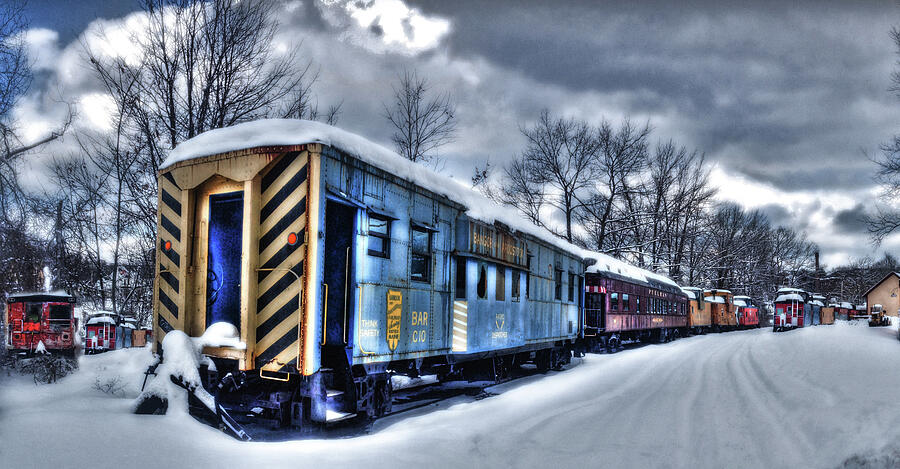
The Magic Train


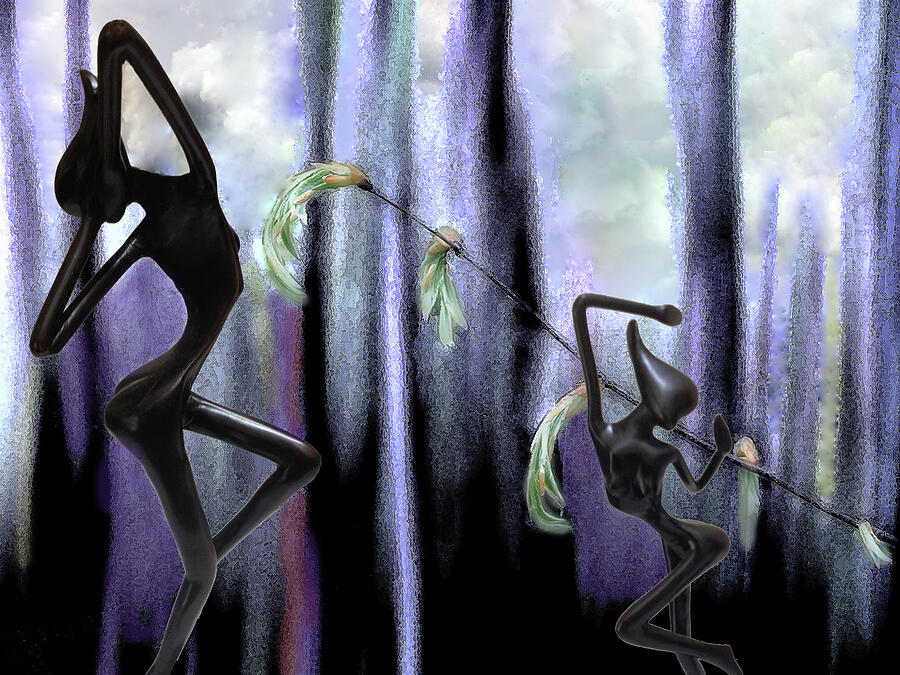
Rites of Spring


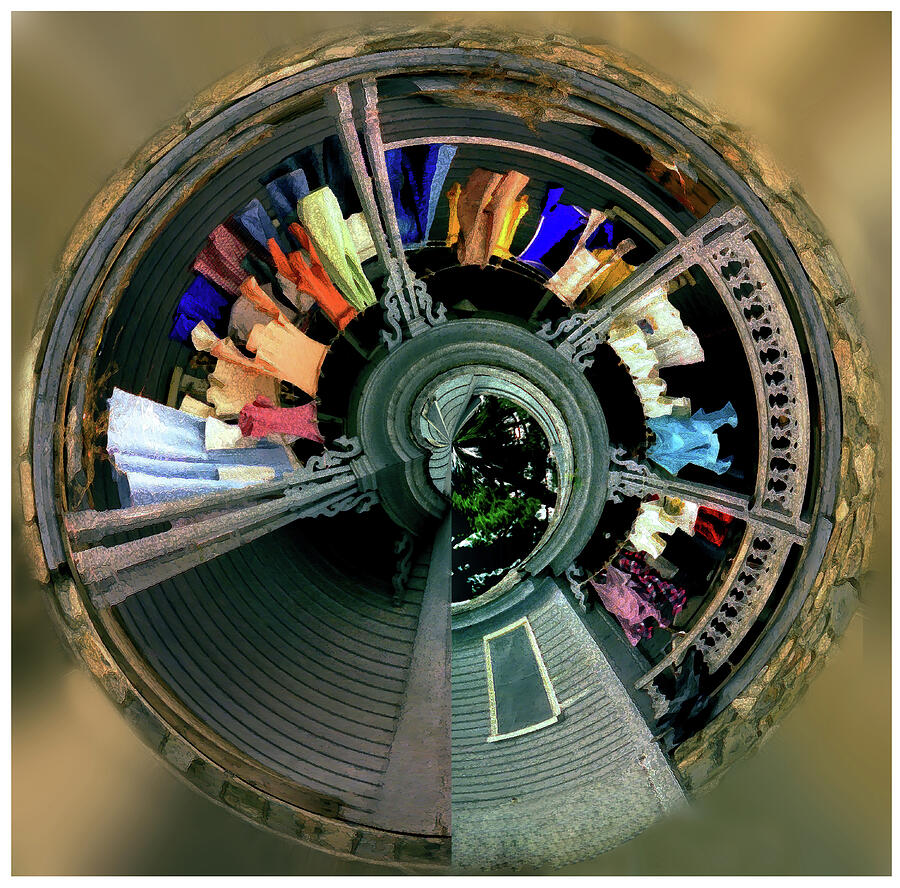
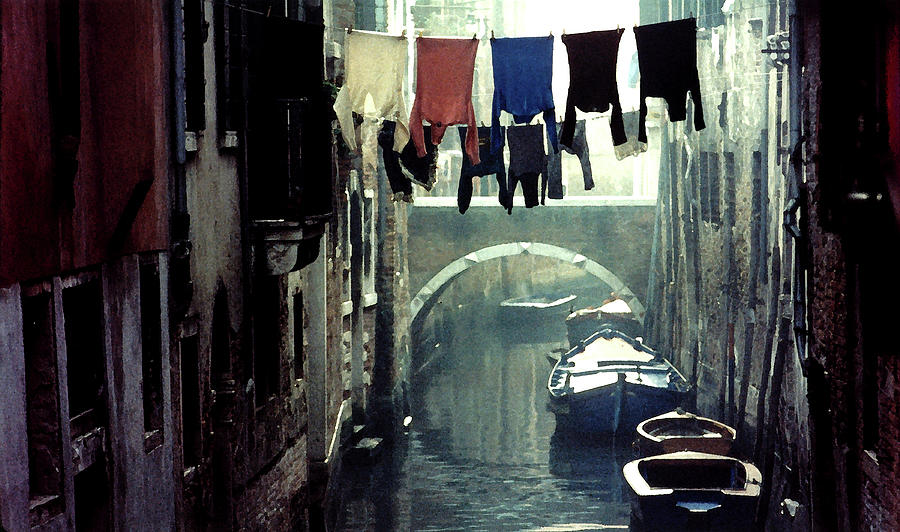
Circular Washline Squared
For a signed original of this image, click here
For an unsigned open-edition print of this image, click here: 


Autumn Impressions


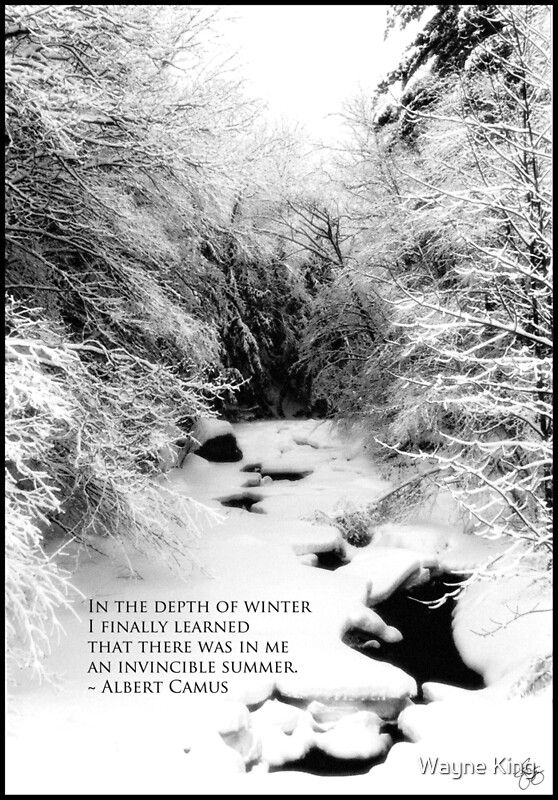
Sunlight Paints Mad River in Winter


After the Wedding


Airborne on a Butternut Mist
Signed Originals.    Unsigned Open Edition Prints


Three Maples
For an unsigned open-edition print, of any size, and merchandise using this image, click here


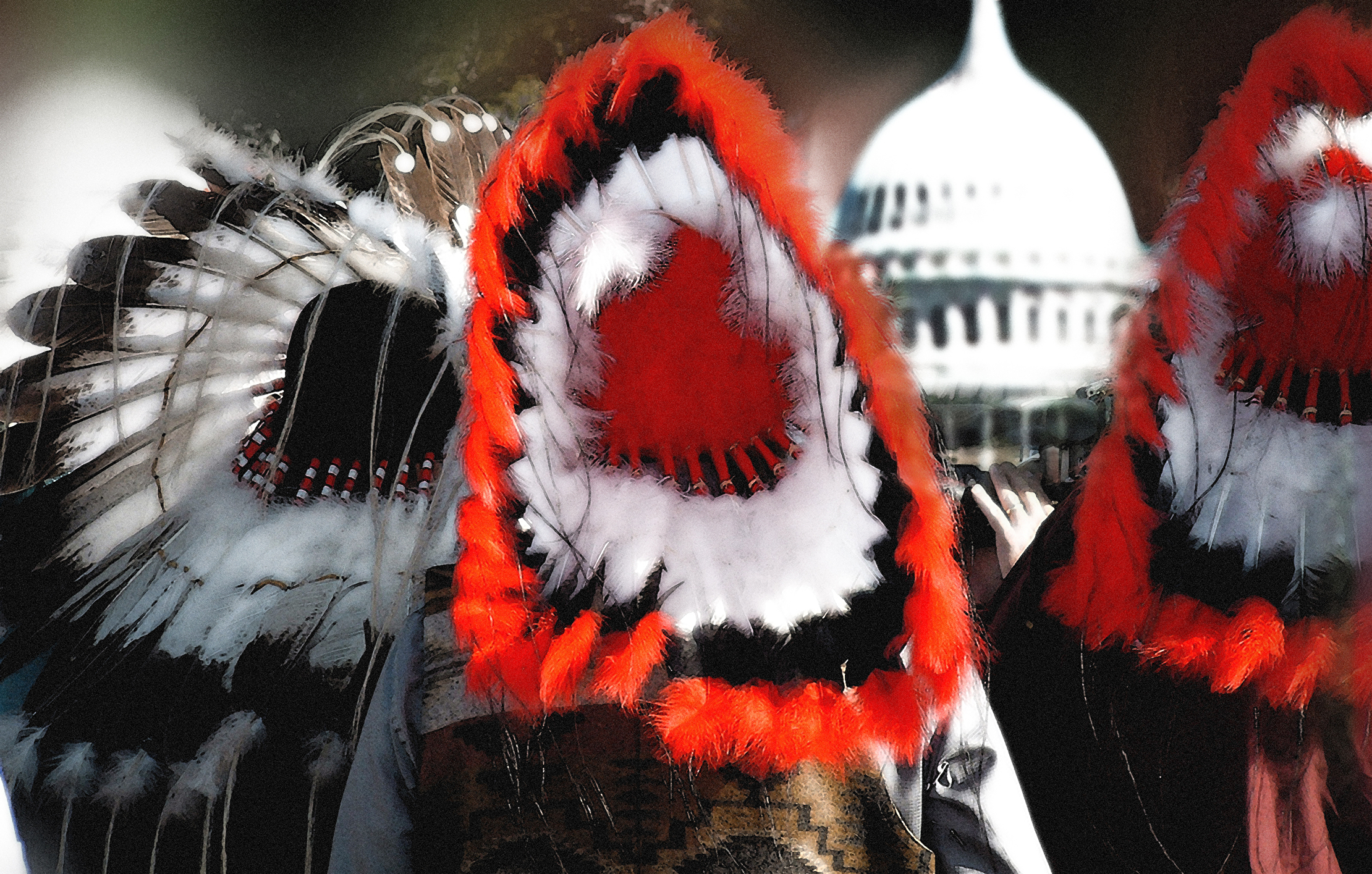
We the People are the Rightful Masters
For a signed original of this image, click here
For an unsigned open-edition print, of any size, and merchandise using this image, click here 


Boats in a Pastel Stream


Autumn Light on Mt Eisenhower

Signed Originals
Unsigned Open Edition Prints


Painted Sky Over Petrified Dunes
Signed Originals
Unsigned Open Edition Prints


Those Pesky Weeds


Peaholes in the Pemigewasset


Midday Dreams Before Time


Trees in a Ridgetop Fog


Spirit Buffalo on a Blue Horizon


Homage to Wallace Nutting in Petrified Dunes

Signed Originals
Unsigned Open Edition Prints


Those Pesky Weeds

Signed image
Unsigned open-edition prints


The Bustle of Tema Harbor - Ghana

Signed Original Prints

To purchase an unsigned open-edition print of this image, click here .


The Shoulder of Africa - Kayar, Senegal

To purchase a signed original of this image, click here.

To purchase an unsigned open-edition print of this image, click here.


Sunday, January 7, 2024

EP 64 What We Can All Learn from Bayard Rustin a Conversation with Richard D. Kahlenberg


Bayard Rustin - Library of Congress, Warren K. Leffler


What We Can All Learn from Bayard Rustin a Conversation with Richard D. Kahlenberg

If you have not yet seen the Netflix biopic "Rustin" a project of Barach and Michelle Obama, it is a movie well worth your time. The movie unveils the extraordinary genius and timeless persistence of Bayard Rustin who in a very short 2 month window of time pulled off the Magnum Opus of citizen action. The March on Washington for Jobs and Freedom. 

Richard Kahlenberg

The climax of the movie is the 1963 March on Washington, an obvious place to end this movie but less than satisfying for its failure to pose the broader and more important historic questions about the direction of change that was to follow the March. 

This series of questions are the ones raised in Richard Kahlenberg's critique of the movie. His satisfaction with the pure recognition of Rustin is apparent but so too is his disappointment that the Obama's failed to use this movie as a teachable moment, beyond introducing this extraordinary man to a generation of citizens who have missed an important moment in time and the contributions of a gay, black man, persistent in a time when he was, at best, a second class citizen, even among those in the movement.

Bayard Rustin ( 1912-1987)may just be the most important Civil Rights leader of the past century of whom you have never heard.  As the lead organizer of the 1963 March on Washington, he was the genius behind the protest that has set the standard for protests in the country. He was also the man who introduced a young Martin Luther King to the teachings of Ghandi on non-violent resistance that would inspire the remainder of King's life and an entire generation of civil rights advocates. 

An African American and openly gay man who has largely been erased from the history surrounding one of the most historic moments of the last two centuries and a movement that has helped to overcome thousands of years of marginalization for people of color. 

Ironically, if you take Rustin's writings and interviews in toto you would see that none of the "tribes" into which we seem to have separated ourselves over the past half-century would be considered the defining aspect of Rustin's own personal identity. 

Gay Man, Black Man, Socialist, activist, pacifist: these and other silos of identity that too often define us to ourselves and one another would pale in the shadow of the all-encircling title of  "human being" and "Citizen".  

In fact, the gains that accrued to all citizens from the 1963 march were largely color blind. . . and that is precisely what Rustin wanted. He believed that by recognizing the pain and marginalization of all people we could draw the circle infinitely larger and thus expand on the base of support. Dr. King and other like Representative John Lewis, came to believe in this more expanded circle: seeking justice and equality for all.  

It was the great civil rights attorney and later Episcopal priest Pauli Murray who put it this way:

“when others try to exclude me, I draw my circles wider to include them.” 
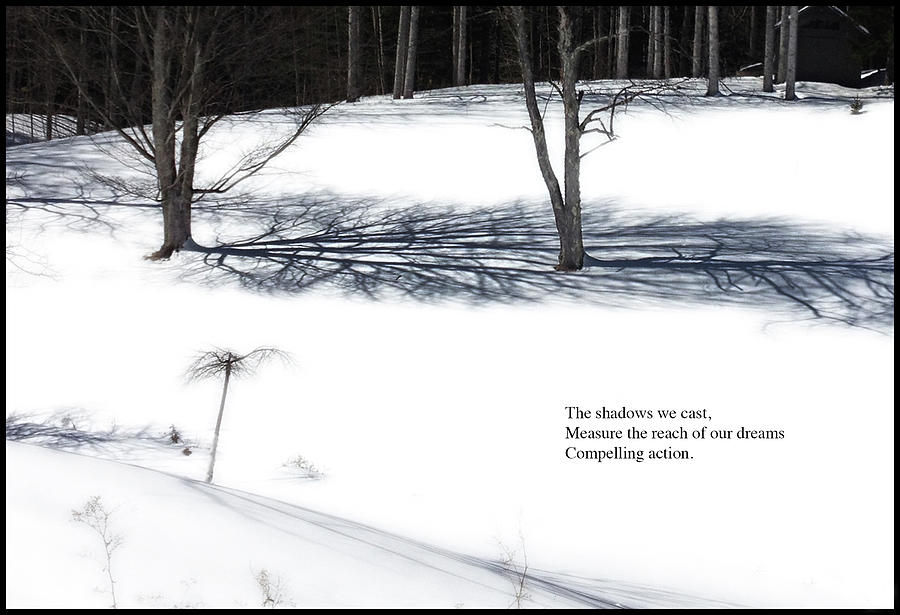

The Shadows We Cast

Close

My Thanks to Richard Kahlenberg for not only sharing his time with us today but also for sharing the vision that he so clearly shares with Bayard Rustin for creating what Dr. King called the beloved community.  His website is richardkahlenberg.org/ 


If you are among the many people who find the current state of affairs in our country discouraging, Kahlenberg, channeling the likes of both Rustin and Pauli Murray, among others offers his own ideas of achieving the same ends by embracing what Jonathan Haidt calls Common identity politics - drawing wider and wider circles to expand our connections and our common humanity - distinguishing it from Common Enemy thinking.  

It's not too late for us to learn this lesson.


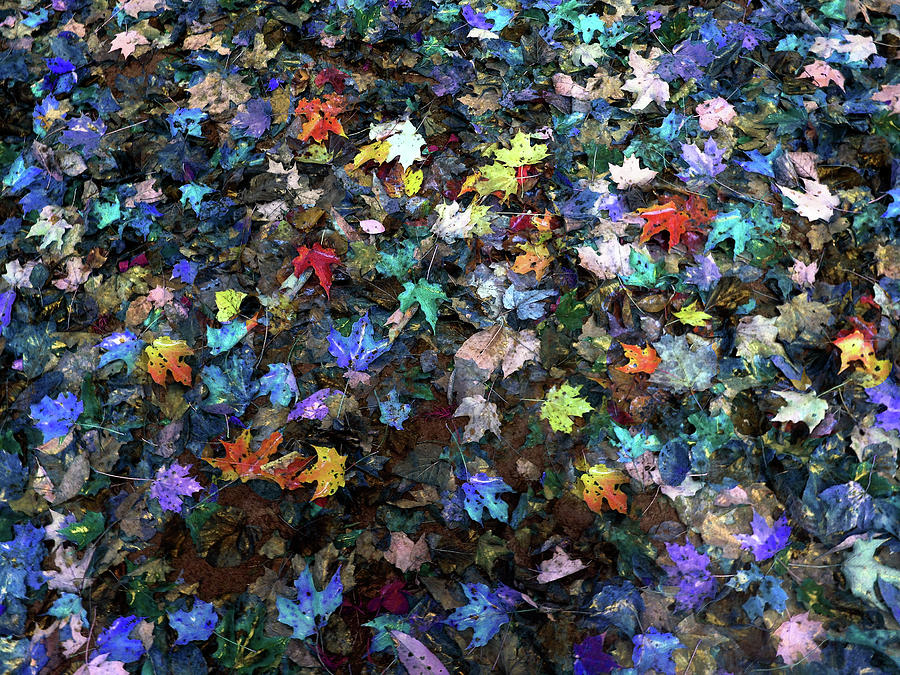
Mixed Maples in Langdon Woods
Signed Originals.    Unsigned Open Edition Prints


Read his commentary on "Rustin" here

Byard Rustin - On MLK
https://www.commentary.org/articles/bayard-rustin-2/from-protest-to-politics-the-future-of-the-civil-rights-movement/


Bayard Rustin - Wikipedia
https://en.wikipedia.org/wiki/Bayard_Rustin


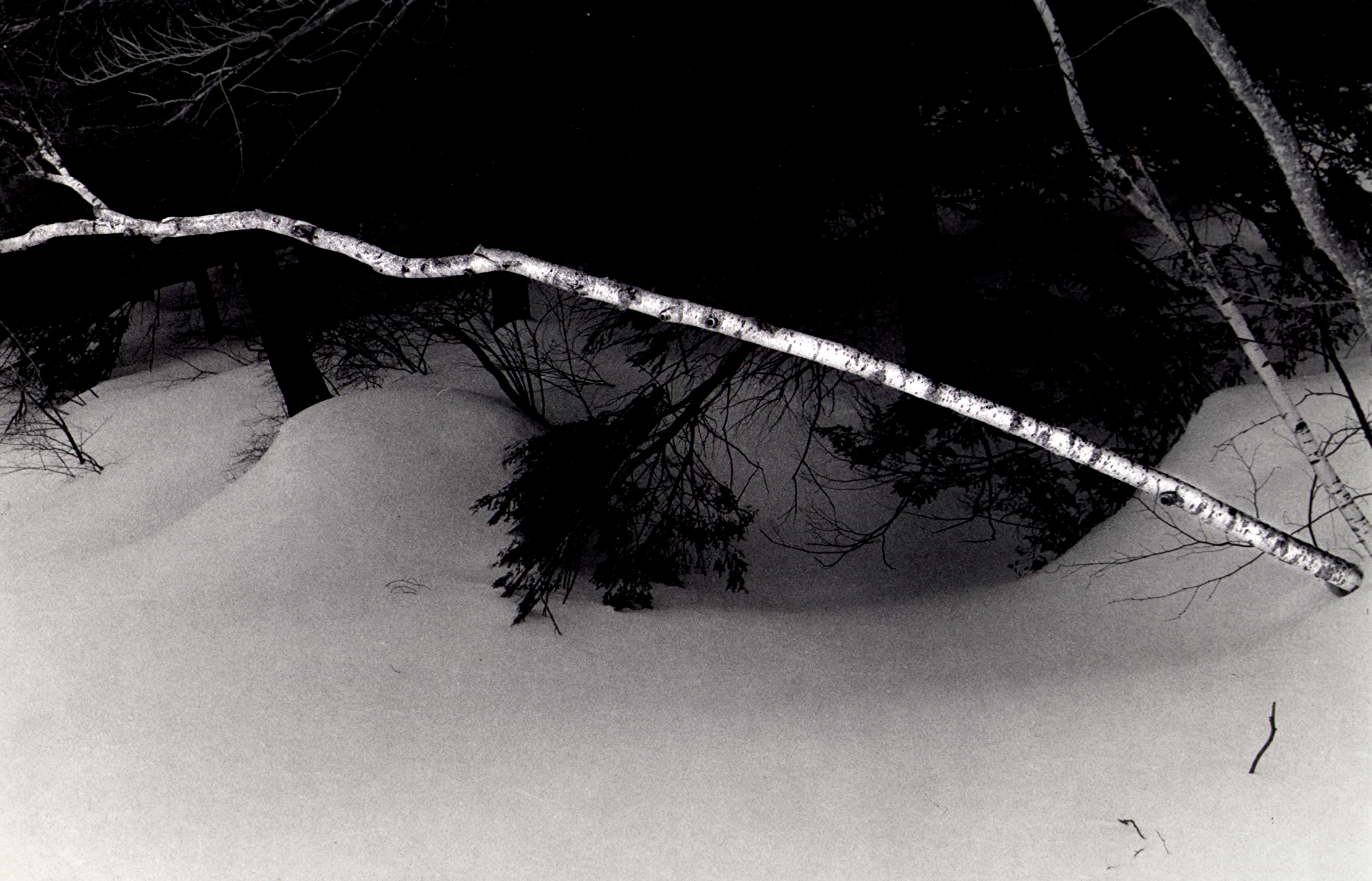
Lone Birch in the Snow
Signed Originals.    Unsigned Open Edition Prints 

Jonathan Haight

There are two kinds of identity politics. One is good. The other, very bad.
Why free thought has died on university campuses.

https://bigthink.com/neuropsych/identity-politics-america-college/


The March on Washington for Jobs and Freedom, also known as simply the March on Washington or The Great March on Washington, was held in Washington, D.C., on August 28, 1963. The purpose of the march was to advocate for the civil and economic rights of African Americans. Wikipedia
Date: August 28, 1963
Location: Washington, D.C.

The King Center at Stanford University
https://kinginstitute.stanford.edu/march-washington-jobs-and-freedom


Lone Pine in a Painted Sky
Signed Original.    Open edition Prints 


About Richard Kahlenberg


Richard Kahlenberg's Website


Richard D. Kahlenberg is an education and housing policy researcher, writer, consultant, and speaker.  
 
 
The author or editor of 18 books, Kahlenberg has been recognized primarily for his expertise in three policy areas:


  • Zoning barriers to housing opportunities His work on how housing policies inhibit educational opportunities made him one of Washingtonian magazine’s top 25 most influential people shaping education policy.
 
Kahlenberg’s articles have been published in the New York Times, the Washington Post, the Wall Street Journal, the Atlantic, the New Republic, and elsewhere. He has appeared on ABC, CBS, CNN, FOX, MSNBC, PBS, and NPR.
 
His books include: Excluded: How Snob Zoning, NIMBYism, and Class Bias Build the Walls We Don't See (PublicAffairs Press, 2023); A Smarter Charter: Finding What Works for Charter Schools and Public Education (with Halley Potter) (Teachers College Press, 2014), Why Labor Organizing Should Be a Civil Right: Rebuilding a Middle-Class Democracy by Enhancing Worker Voice (with Moshe Marvit) (Century Foundation Press, 2012); Tough Liberal: Albert Shanker and the Battles Over Schools, Unions, Race and Democracy (Columbia University Press, 2007); All Together Now: Creating Middle Class Schools through Public School Choice (Brookings Institution Press, 2001); The Remedy: Class, Race, and Affirmative Action (Basic Books, 1996); and Broken Contract: A Memoir of Harvard Law School (Hill & Wang/Farrar, Straus & Giroux, 1992).

The Remedy was named one of the best books of the year by the Washington Post, and Tough Liberal was named one of the best books written on labor unions by the Wall Street Journal. 
 
Kahlenberg has been a Senior Fellow at The Century Foundation, a Fellow at the Center for National Policy, a visiting associate professor of constitutional law at George Washington University, and a legislative assistant to Senator Charles S. Robb (D-VA).

His work has been supported by leading foundations including Broad, Jack Kent Cooke, Ford, Gates, Hewlett, Lumina, Nellie Mae, Spencer, Walton, and W.T. Grant.

He serves on the advisory boards of the Pell Institute and the Albert Shanker Institute. He is a graduate of Harvard College and Harvard Law School.
Richard D. Kahlenberg, a nonresident scholar at Georgetown University’s McCourt School of Public Policy, is working on a book about affirmative action for PublicAffairs books.


Books by Richard Kahlenberg


The Remedy: Class, Race, And Affirmative Action


Tough Liberal: Albert Shanker and the Battles 
Over Schools, Unions, Race, and Democracy


The Future of School Integration: Socioeconomic Diversity as an Education Reform Strategy (Century Foundation Books (Century Foundation Press)) Kindle Edition


Other readings & links:


Making Gay History


Bayard Rustin, the hidden activist of ‘Selma’
The National Black Justice Coalition (NBJC) Bio of Rustin

On November 20, 2013, President Barack Obama posthumously awarded Rustin the Presidential Medal of Freedom.
The music for The Radical Centrist podcast is provided by Free Joseph and can be purchased at his website FreeJoesph.net - or anywhere that you purchase fine music.

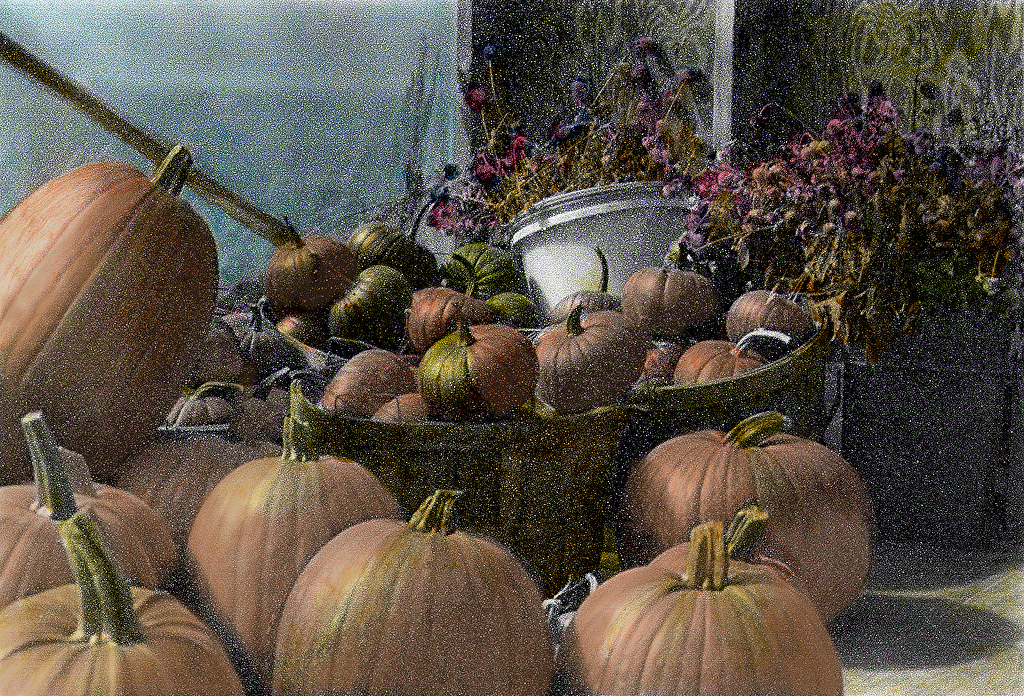
Longview Farm Pumpkins and flowers
Signed Originals     Open edition Prints


White Stallion in a Monochrome Dreamscape
Signed Original.    Unsigned Open Edition Prints


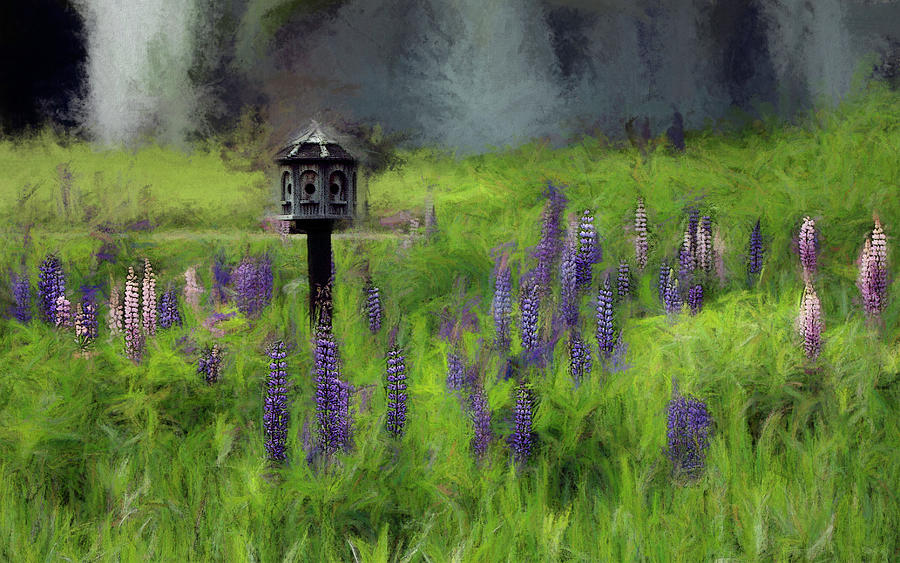
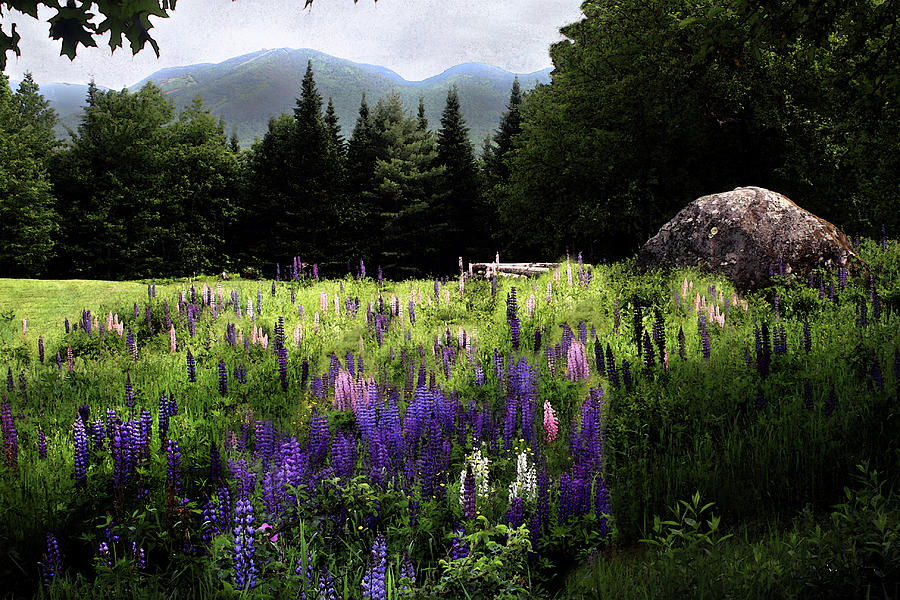
A Home Among the Lupine
Signed Originals.    Unsigned Open Edition Prints


Wednesday, October 4, 2023

EP 63 Kate Burgess - Nature Based Solutions to Climate & Biodiversity Challenges


Kate Burgess - Nature-Based Solutions to Climate & Biodiversity Challenges

Kate Burgess is a Salazar Center partner and serves as NCEL’s Conservation Program Manager, where she enjoys collaborating with legislators on a variety of land, water, wildlife, and human issues.  In this podcast she shares with us the new (yet old) push for nature-based solutions to climate and biodiversity challenges.


The Salazar Center is hosting the fifth annual International Symposium on Conservation Impact on October 11-12 , 2023 in Denver, Colorado. The agenda focuses on nature-positive solutions and how they can catapult our communities towards durable, high-impact outcomes for climate, biodiversity, and human well-being.

Watch on YouTube here:  https://youtu.be/uj8dcuUfIoo


The Salazar Center at Colorado State University

kburgess5570(at)gmail.com

Work:  kate@ncelenviro.org

NCEL bill library


Kate Burgess and her father

Nature-Based Solutions: Healing nature with regenerative ocean farming


My dad and I spend a lot of time surfing. We mostly go in the winter, not because we’re gluttons for punishment, but because that’s when the swell is allegedly the best on this side of the Atlantic. With our 7 mm wetsuits, booties, mittens, and hoods, we’ve adopted the proxy skin of seals, reminded only of the season when the sea is dusted with snow, or when an icy wave humbles the exposed skin on our face, leaving eyes stinging and heart pumping. 

But recently, things have changed. The water in the winter isn’t as cold as it used to be. Last December, I didn’t need my mittens or booties. In the summer, I stopped wearing a wetsuit altogether, worried I’d overheat in the near-bath temperature waters of Nahant Beach that used to induce a sharp inhalation at the dip of a toe. 

Given these obvious impacts of climate change, my dad and I have been thinking about another way to spend our time in the sea: ocean farming. With the dramatic warming of our ocean, we’re wondering what we can do to intervene, and regenerative ocean farming – particularly kelp cultivation – is one nature-based solution with lots of promise.


Kelp acts as a highly effective carbon sink, a natural defense against storms, habitat for species, and can be harvested for animal feed, medicine and actually, a pretty decent beer. It addresses the twin climate and biodiversity crises concomitantly, since they are inextricably linked and need to be addressed as such.


Nature based solutions (NBS) like planting kelp are a means of leveraging the innate power and potential in earth’s systems, flora and fauna, and using them to promote resilience. Many of these solutions – including, for example, prescribed burns and oyster reef restoration – have been developed and practiced by Indigenous communities since time immemorial. Without proper recognition, consent for use of knowledge, compensation, and centralization of Indigenous leadership, nature based solutions can become anti-Indigenous, and an extension of the violent and racist colonialism that has and continues to persist in the environmental movement and beyond. Thoughtful consideration of the use of NBS is vital. 

These solutions are gaining momentum among communities, practitioners, decision makers, academics, and beyond, and I believe wholeheartedly that they’re one of the best means of making any real dent in recovering species and regulating our climate. 

One way that I’m seeing NBS rise is at the state level. My job as Conservation Program Manager with the National Caucus of Environmental Legislators (NCEL) is to track land, water, and wildlife policies, share lessons learned with legislators across the U.S., and help them utilize the best available science and knowledge systems to advance equitable environmental policies. In 2023 alone, hundreds of state bills including NBS were introduced as a means of utilizing nature’s strengths as a solution to climate change and biodiversity loss.

State legislatures are essentially policy ‘test kitchens,’ except with less salt and no Guy Fieri. They’re where innovative measures can be piloted and repeated in other states, and ultimately with enough traction, at the federal and even international levels. States can set, maintain, and/or dismantle important legal narratives – especially when it comes to environmental issues. 

For example, Montana’s recent Supreme Court win for youth was largely the result of a rights-to-nature state policy called the “Green Amendment” that was enacted in 1970. Green Amendments are environmental justice tools that solidify our rights to clean air, water, and a healthy environment, putting them on par with our other fundamental civil liberties like free speech. A powerful means of securing health for present and future generations, Green Amendments are picking up speed; in 2023, 13states introduced Green Amendments, and New York became the first state to enact one since 1971. 

With the recent SackettSCOTUS decision gutting the Clean Water Act, experts sayit’s up to states to “step in and fill the void.” With federal protection absent, states are tasked with playing defense for wetlands protection, a habitat coined “earth’s kidneys,” due to their tremendous capacity to filter toxins and sustain life for countless species.  

The potential of and pressure on States to play environmental offense and defense is high, but rarely is their capacity. Some, like New Mexico, Vermont, and Nevada (among others) are citizen legislatures, which means lawmakers have full-time year-round jobs on top of being a legislator, and many lack staff, compensation, or even a physical office. U.S. territories lack voting representatives in Congress, so what happens at the state/territory level matters immensely when federal representation is lacking.  

Our Time Comes
Signed Original 16x24   8x12     Open Edition Prints


States are also treaty partners and have a unique government-to-government relationship with and responsibility to honor the sovereignty of Tribal Nations. Efforts like returning land back, supporting the rematriation of climate keystone wildlife like buffalo, and designing policies that require Free, Prior, and Informed Consent Tribal interests are essential in conjunction with designing state NBS. Indigenous communities are the original stewards of what is now known as the United States, and both traditional and contemporary ecological knowledge are some of the strongest tools available when it comes to bringing flora and fauna back, and regulating our climate – as long as that knowledge is respected and compensated.  
Ultimately, my colleagues and I at NCEL try to fill in where capacity is lacking in state legislatures, calling ourselves “remote environmental staff.” We have a 30,000’ view of what’s happening on environmental state policy level on issues relating to, and are at the ready to provide research, briefings, connections to other states and best available science and knowledge systems, anything to help make their jobs easier. Federal efforts like the Bipartisan Infrastructure Law, Inflation Reduction Act, and the Nature-Based Solutions Roadmap have helped make clear the trend towards prioritizing NBS and the onus on States and partners for implementation.

As state trends on nature-based solutions continue to rise, we’ll continue to equip lawmakers with the best available science and knowledge/thinking as a means of addressing the twin crises of climate change and biodiversity loss. My dad and I are grateful for nature’s potential to heal, and we’ll join you in doing all we can to help sustain its gifts for future generations of surfers and beyond.


The Salazar Center is hosting the fifth annual International Symposium on Conservation Impact on October 11-12 in Denver, Colorado. The agenda focuses on nature-positive solutions and how they can catapult our communities towards durable, high-impact outcomes for climate, biodiversity, and human well-being.

There is an African proverb that goes, “If you want to go fast, go alone. If you want to go far, go together.” We hope that you will join us so we can work together to realize a nature-positive future for North America. 

2023 Symposium on Conservation Impact presented by the Doris Duke Foundation


The fifth-annual International Symposium is on October 11– 12, 2023 in Denver, Colorado. 
Across the globe, biodiversity – the rich variety of life on the planet – is deteriorating faster than at any other time in human history. North America is no exception: over 30% of its biodiversity has declined since 1970. This devastating trend threatens organisms, ecosystems, and the benefits that they provide like carbon capture, clean air to breathe, and clean water to drink. At the same time, climate change continues to put people and nature under severe stress. Experts around the world acknowledge that climate change and nature loss are inseparable crises and must be addressed urgently and holistically for the benefit of both the planet and people—especially poor and marginalized communities, who are already being impacted disproportionately. 

Many North American communities are working hard to address climate change and biodiversity loss. But how do we magnify these efforts in order to create a net-positive impact? How do we work together to create the systemic change that enables a world where nature is being restored and is regenerating rather than declining?

We urgently need actions, strategies, and approaches that can help solve these intertwined crises at scale. 

The Symposium will bring together diverse thought leaders from across North America to share their insights on how to move beyond individual projects to lasting systemic change that will drive a nature-positive future. The event will use keynote presentations, curated panel discussions, interactive breakout sessions, and networking opportunities to facilitate honest dialogue around issues such as: 


  • Fate Reimagined
    Signed Originals     Unsigned Open Edition Prints
    How can we design and implement nature-positive solutions to ensure more equitable outcomes for communities and people? How do we ensure these solutions benefit not only nature but also human well-being? 
  • How do we break down silos to ensure better outcomes for climate, nature, and people? 
  • How do Indigenous-led projects provide innovations for a nature-positive world? 
  • How can nature-positive approaches help the U.S., Canada, and Mexico meet their national conservation & climate targets? What are the strengths and weaknesses of taking a nature-positive approach when addressing these goals?  
  • What is the role of multilateral cooperation across the continent in creating the enabling conditions for more durable outcomes and to help scale-up local efforts?  
  • In what ways is the private sector working to promote and fund long-lasting and effective solutions to solve both climate and nature challenges? What do we need to do to transform our economic systems to support nature-positive outcomes? 
The Symposium will showcase existing efforts across sectors and the continent. Attendees will learn about high-level challenges and opportunities that we all face in trying to solve these environmental crises. After attending the Symposium, participants will be able to bring best practices, resources, and new ideas on how to implement and scale Nature Positive Solutions in their work and communities back home. Not to mention a network of like-minded colleagues who are willing to learn and share knowledge during the Symposium and beyond.

There is an African proverb that goes, “If you want to go fast, go alone. If you want to go far, go together.” We hope that you will join us in Denver, Colorado so we can work together to realize a nature-positive future for North America. 


Subscribe to the Center’s newsletter to get updates about the agenda and featured speakers sent to your inbox.  


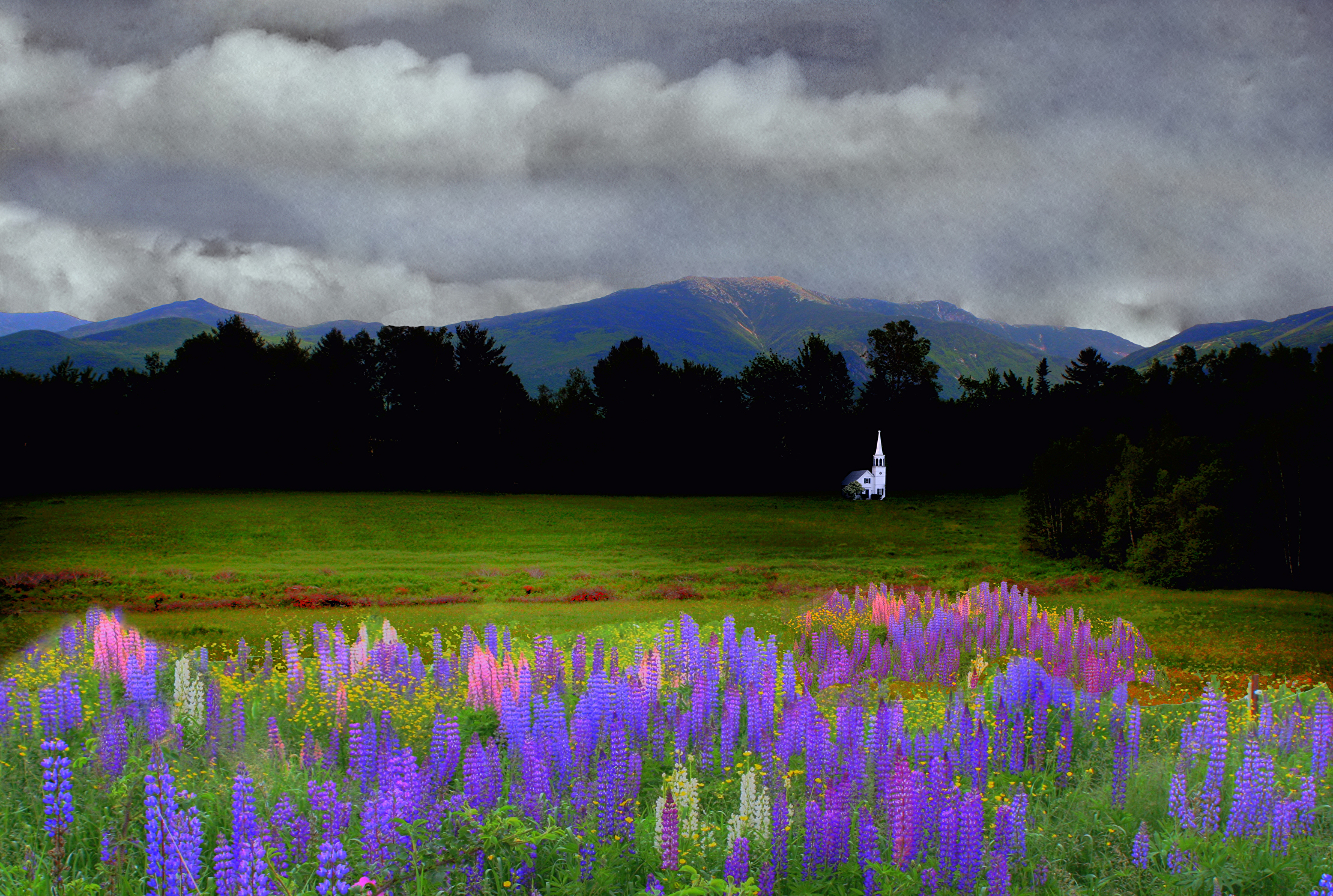
Chapel in the Lupine Field
Signed Originals   Unsigned Open Edition Prints 


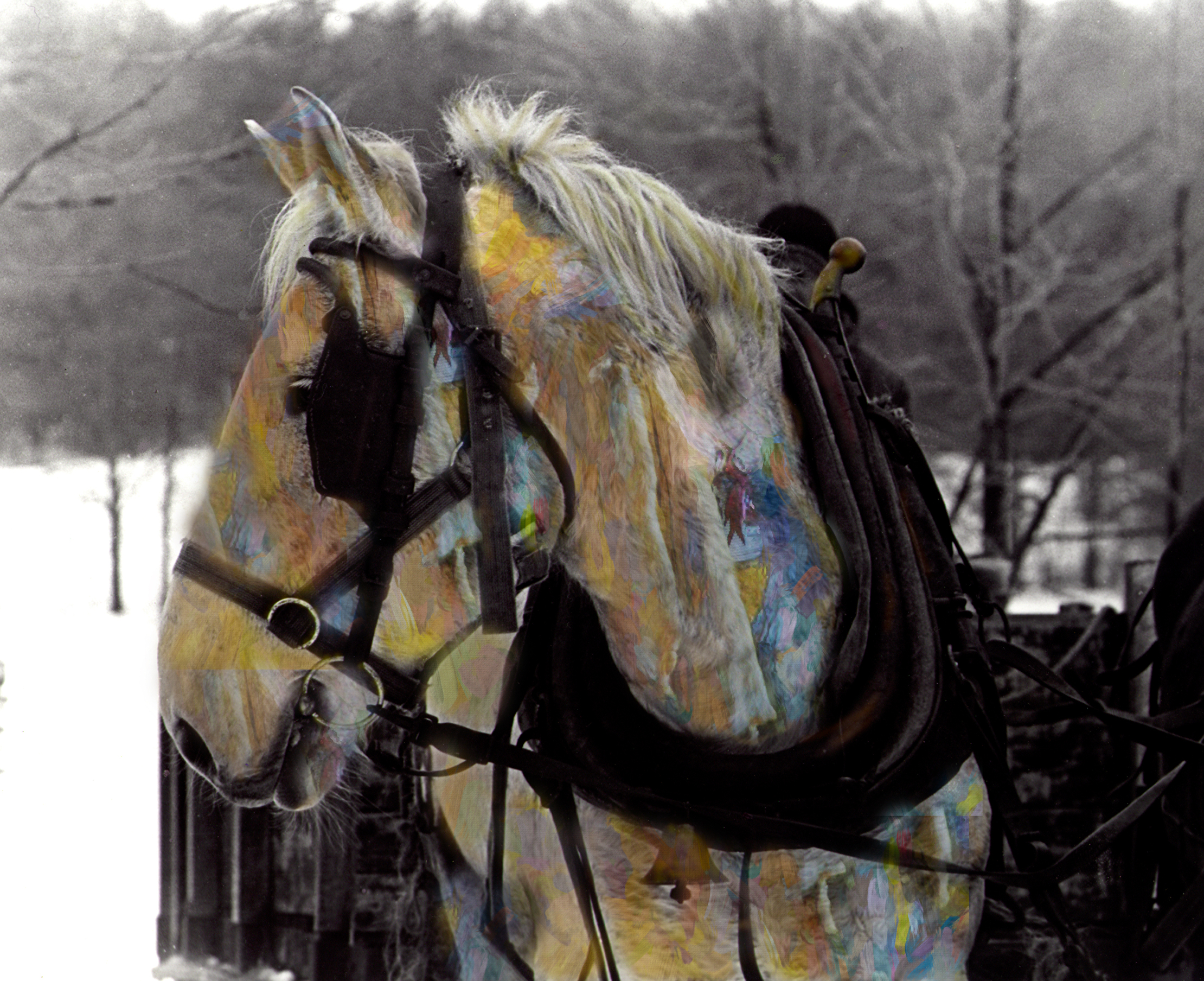
The Spirit of the Drafthorse
Signed Originals     Open edition print


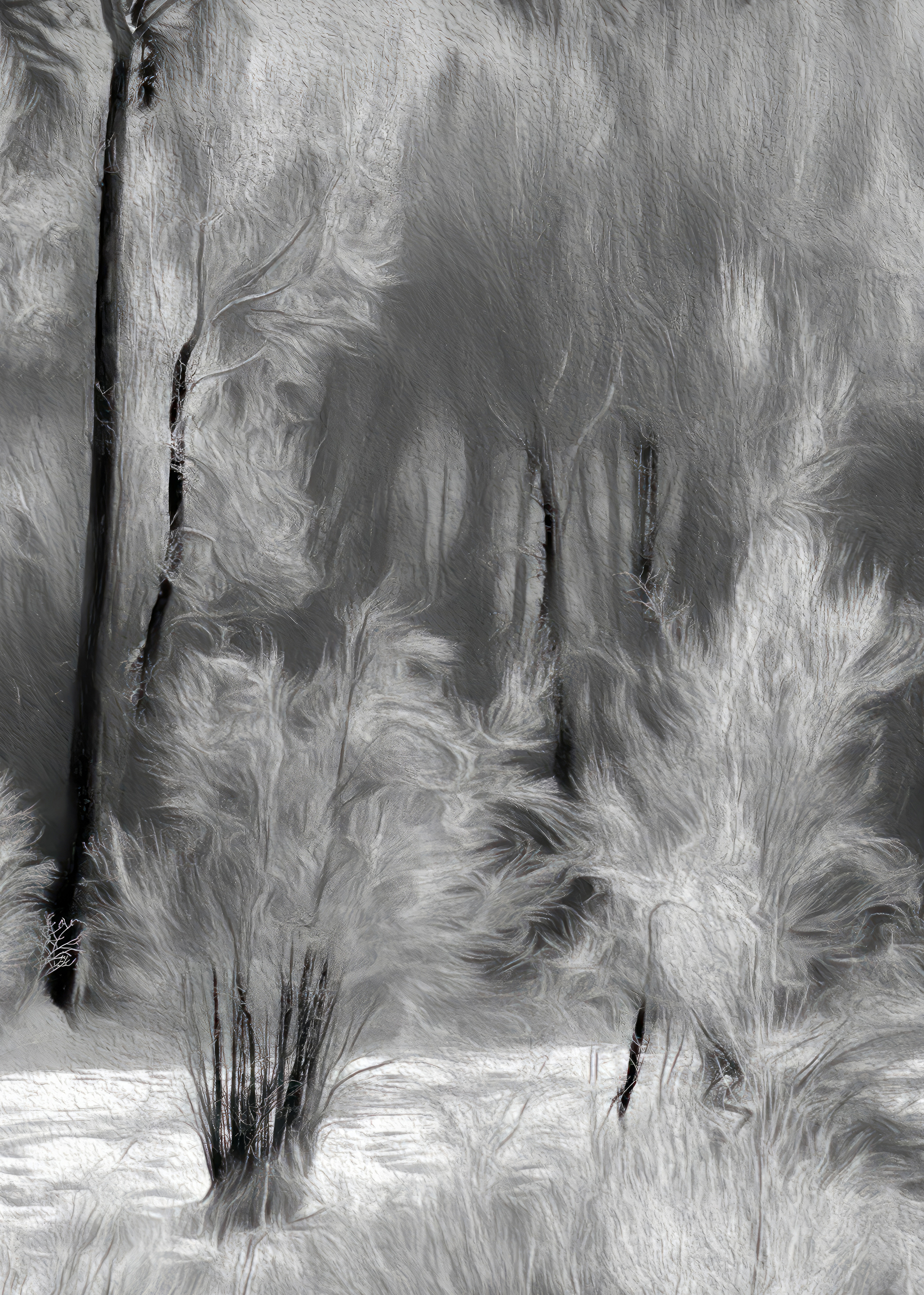
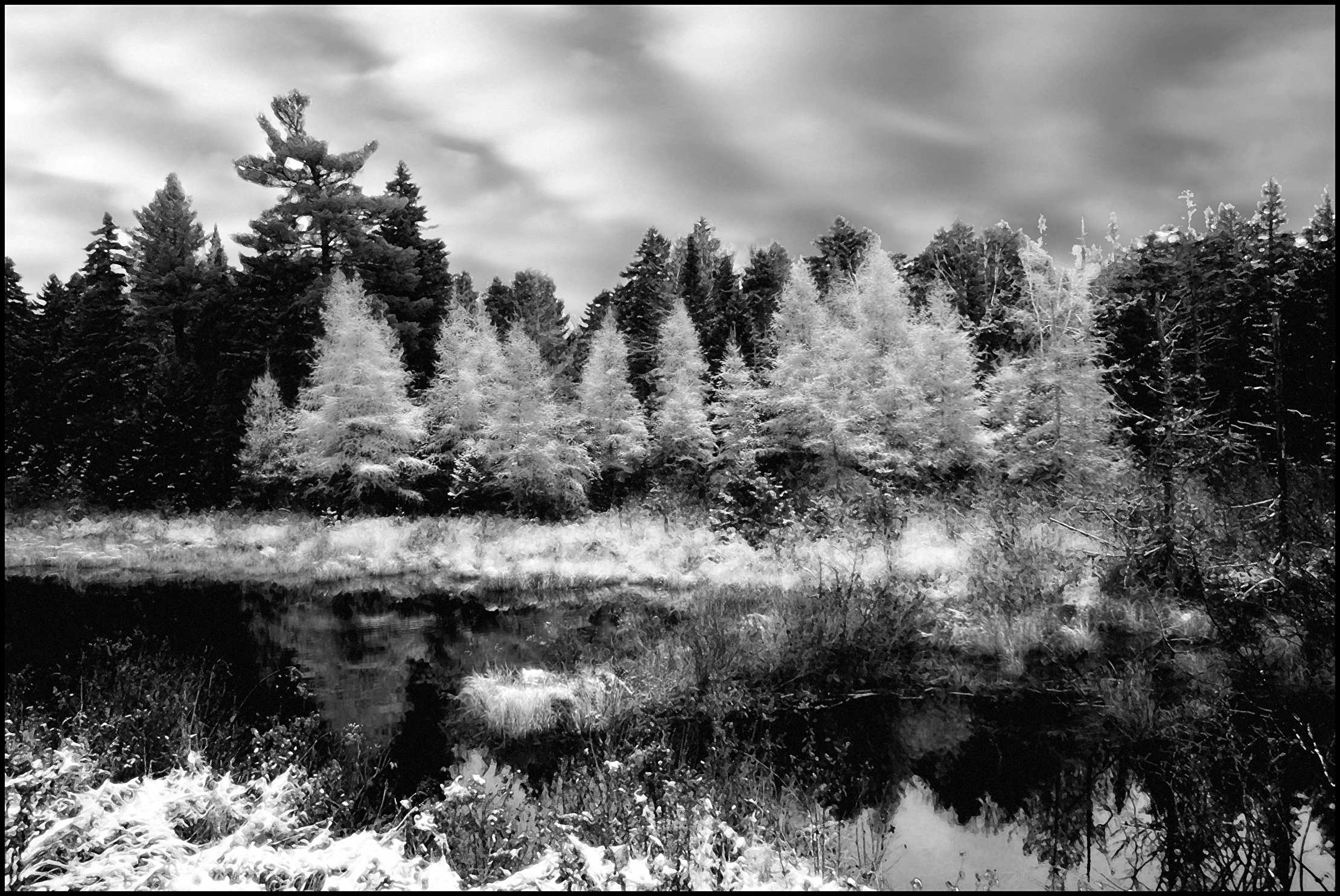
Tamarack Monochrome Under a Platinum Sky
Signed Originals      Unsigned Open Edition Prints


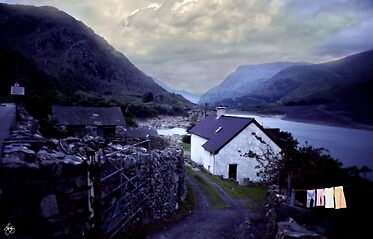
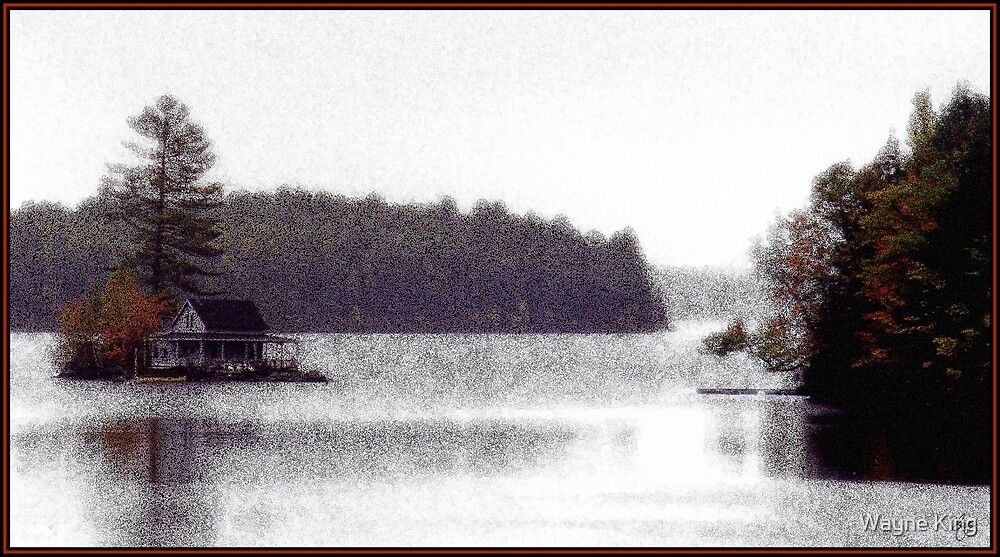
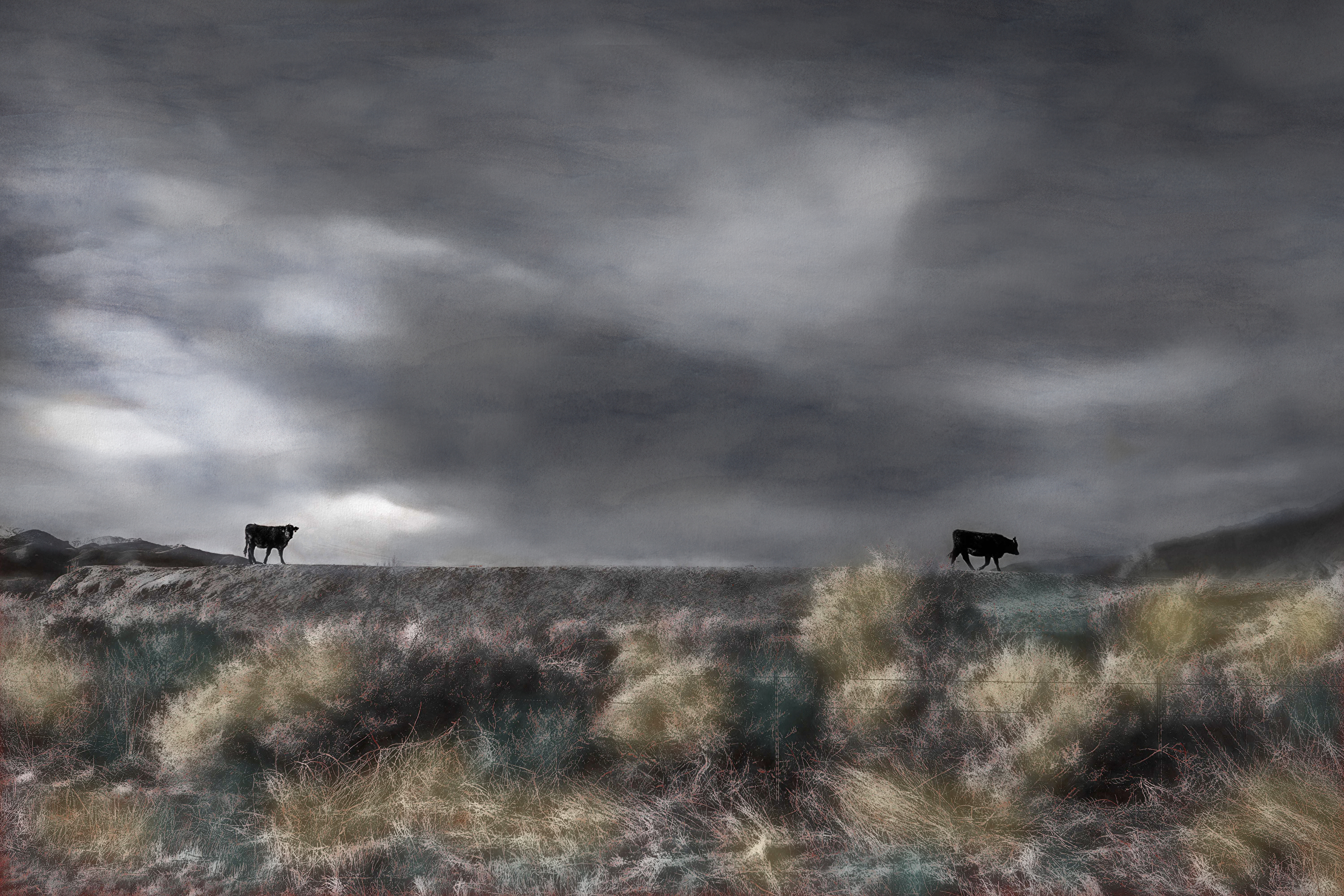
Home Before the Storm
 Signed Originals   Unsigned Open Edition Prints 


Sunday, September 3, 2023

Garry Rayno: Keeping them Honest

 Keeping them Honest

Garry Rayno - InDepthNH.org


In his "Distant Dome" column this week, Garry Rayno explores conflicts of interest and ethics challenges in a citizen legislature. His column is a powerful case for the importance of the media in drawing attention to corruption and conflicts of interest.
Few things are more critical to our Democracy than oversight of the people we have elected to represent us. The hollowing out of the media - in this era of Facebook and Twitter - represents a grave danger to our republic.
We need a new paradigm for delivery of news and investigative journalism - especially at the state and local levels. I hope to speak with Nancy West of InDepthNH.org and another Representative from the newly formed Alliance for Nonprofit News Outlets (ANNO) for The Radical Centrist Podcast to find out more about how we can strengthen the frayed link between the media and our need for accountability at every level of government.
ANNO was spearheaded by Jason Pramas, executive director of the Boston Institute for Nonprofit Journalism, and 16 other nonprofit news outlets across the country, including InDepthNH.org: (https://www.anno.news/.../17-organizations-form-alliance...)
If you would like to suggest a question for the Podcast interview, please email or message me with your question and I'll try to get a response to your question during the Podcast interview.


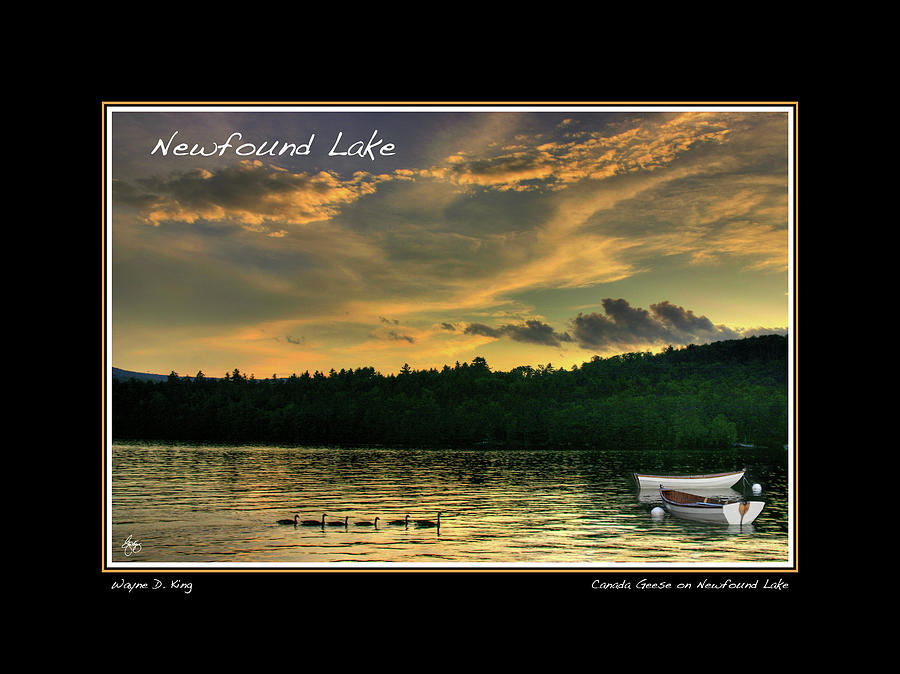
Newfound Lake Geese and Rowboats Digitally signed Open Edition

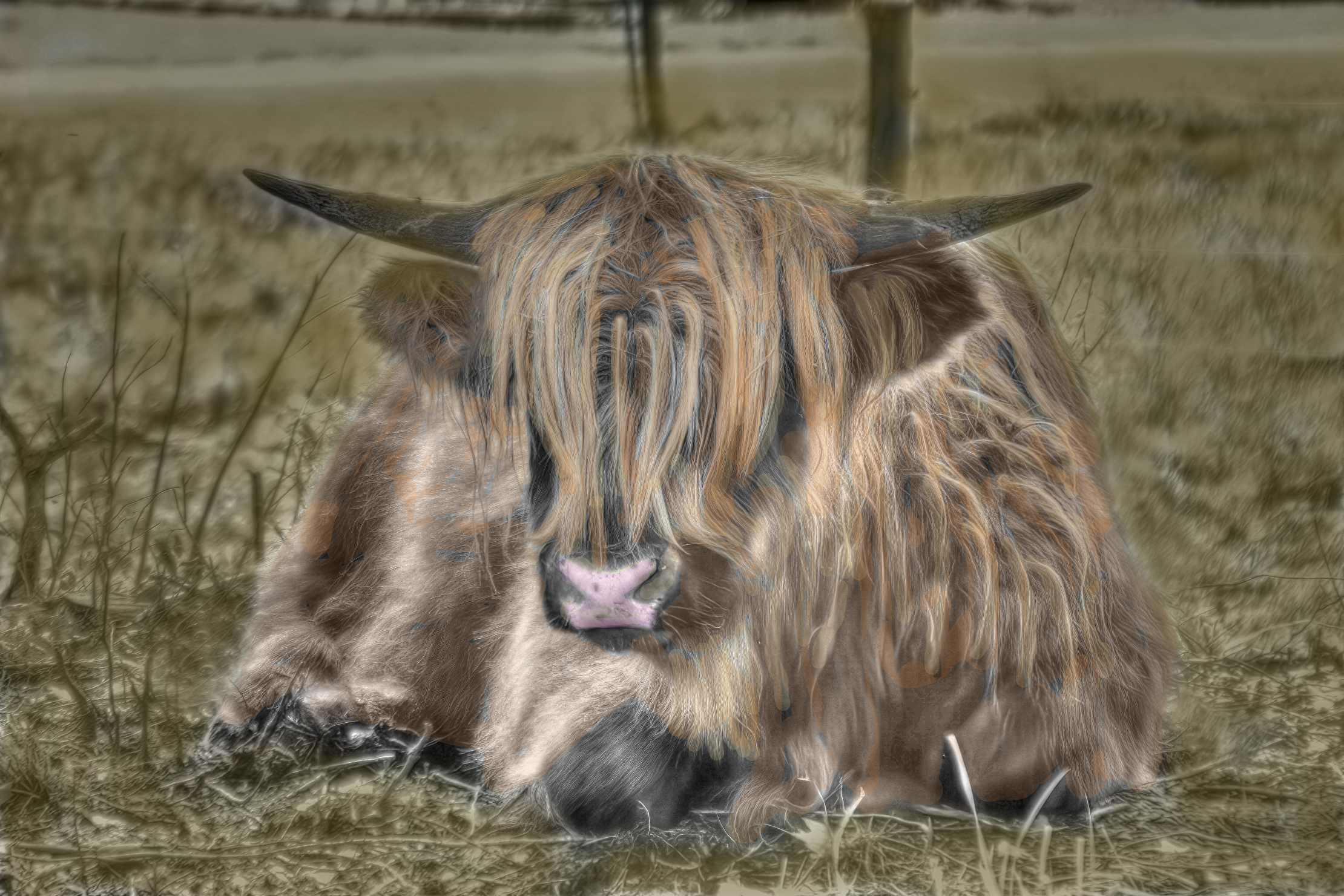
The Highlander of Benton Heights
Original Signed Art       Open edition 


Chapel in the Lupine Field
Signed Originals   Unsigned Open Edition Prints 


The Spirit of the Drafthorse
Signed Originals     Open edition print


Tamarack Monochrome Under a Platinum Sky
Signed Originals      Unsigned Open Edition Prints


Home Before the Storm
 Signed Originals   Unsigned Open Edition Prints