Diplomacy, at its best, is the very essence of the notion of Radical Centrism. After all, the ability to see beyond the traditional conventions that so often cause conflict between people and nations in order to pave a path that both sides can walk together is a rare and precious gift. It is the difference between a good diplomat and a great diplomat.
With chaos reigning (and raining) all around, a great diplomat finds ways to think outside the box and create avenues for progress and peace in spite of the chaos. That may have been part of the reason his colleagues affectionately dubbed Ambassador John Maresca "Full Metal Jack".
World War II was sweeping through Europe on that fateful day that young Jack Maresca said what would be a final goodbye to his father along Lago Maggiore in Italy. His mother and American and his father Italian, both had determined that the safest place for Jack was in the United States. That meant, however, leaving behind his father who -as an Italian man - was required to remain in Italy. Since that fateful day, now Ambassador John Maresca has seemingly been destined to play a part in history that was characterized by riding the curl of chaos from Europe to the Urals over the ensuing decades.
In this podcast he brings that knowledge to bear on the current crisis in Ukraine and helps give us some historic perspective, gleaned from his work over the past 6 decades
A significant portion of that time was consumed by the process outlined in his newest book "The Unknown Peace Agreement"
How the Helsinki–Geneva–Vienna–Paris Negotiations of the CSCE Produced the Final Peace Agreement and Concluded World War Two in Europe (Ibidem Press - Columbia University). The book outlines the challenges that he - and his assistant Marie Ivanovic. Faced in trying to negotiate a final peace treaty to end WWII , postponed, first, by the occupation and division of Germany; and later rained on by the dissolution of the USSR.
Ultimately, even all those years later, the signing of a peacy treaty ending WWII in Europe should have been a grand celebration, but the signing of a treaty demands that the parties to that treaty be signatories. The beginning of the process was made possible when the Germany occupation by allied forces ended and Germany was reunified - in theory restoring all of the parties and making a treaty possible. Then, well into the process, the Soviet Union dissolved before our eyes, eliminating a critical party and making a full blown treaty impossible.
Ultimately, the "Joint Declaration" was negotiated carefully, and privately, among the Ambassadors representing the 22 countries which had participated, in one way or another, in World War Two in Europe. The resulting document—the “Joint Declaration” — was signed at the summit level, at the Elysée Palace in Paris, on November 19, 1990. But this “Joint Declaration" never reached the "Treaty" stage because of the dissolution of the Soviet State one year later, making it impossible to include them as a treaty signatory. Indeed, it also was overshadowed at the time by the "Treaty on Conventional Forces in Europe" — signed at the same signing ceremony. It has remained largely unnoticed since then. Yet the process that produced both the "Joint Declaration" and paved the way for future efforts by Ambassador Maresca to support the "Emerging States" after the dissolution of the Soviet Union has played a critical role in maintaining a reasonably peaceful world order since then for over 50 years.
Perhaps this book (and - in a small way this Podcast) will play some role in outlining the important role Jack Maresca and his team have played in establishing the rules of the road by which we have co-existed for more than half a century, despite the recent events in Ukraine.
https://cup.columbia.edu/book/the-unknown-peace-agreement/9783838216324
The Unknown Peace Agreement
How the Helsinki–Geneva–Vienna–Paris Negotiations of the CSCE Produced the Final Peace Agreement and Concluded World War Two in Europe
John J. Maresca
ibidem Press
The “Joint Declaration of Twenty-two States,” signed in Paris on November 19, 1990 by the Chiefs of State or Government of all the countries which participated in World War Two in Europe, is the closest document we will ever have to a true “peace treaty” concluding World War II in Europe. In his new book, retired United States Ambassador John Maresca, who led the American participation in the negotiations, explains how this document was quietly negotiated following the reunification of Germany and in view of Soviet interest in normalizing their relations with Europe. With the reunification of Germany which had just taken place it was, for the first time since the end of the war, possible to have a formal agreement that the war was over, and the countries concerned were all gathering for a summit-level signing ceremony in Paris. With Gorbachev interested in more positive relations with Europe, and with the formal reunification of Germany, such an agreement was — for the first time — possible. All the leaders coming to the Paris summit had an interest in a formal conclusion to the War, and this gave impetus for the negotiators in Vienna to draft a document intended to normalize relations among them. The Joint Declaration was negotiated carefully, and privately, among the Ambassadors representing the countries which had participated, in one way or another, in World War Two in Europe, and the resulting document—the “Joint Declaration” — was signed, at the summit level, at the Elysée Palace in Paris. But it was overshadowed at the time by the Treaty on Conventional Forces in Europe — signed at the same signature event — and has remained un-noticed since then.
No one could possibly have foreseen that the USSR would be dissolved about one year later, making it impossible to negotiate a more formal treaty to close World War II in Europe. The “Joint Declaration” thus remains the closest document the world will ever see to a formal “Peace Treaty” concluding World War Two in Europe. It was signed by all the Chiefs of State or Government of all the countries which participated in World War II in Europe.
ABOUT THE AUTHOR
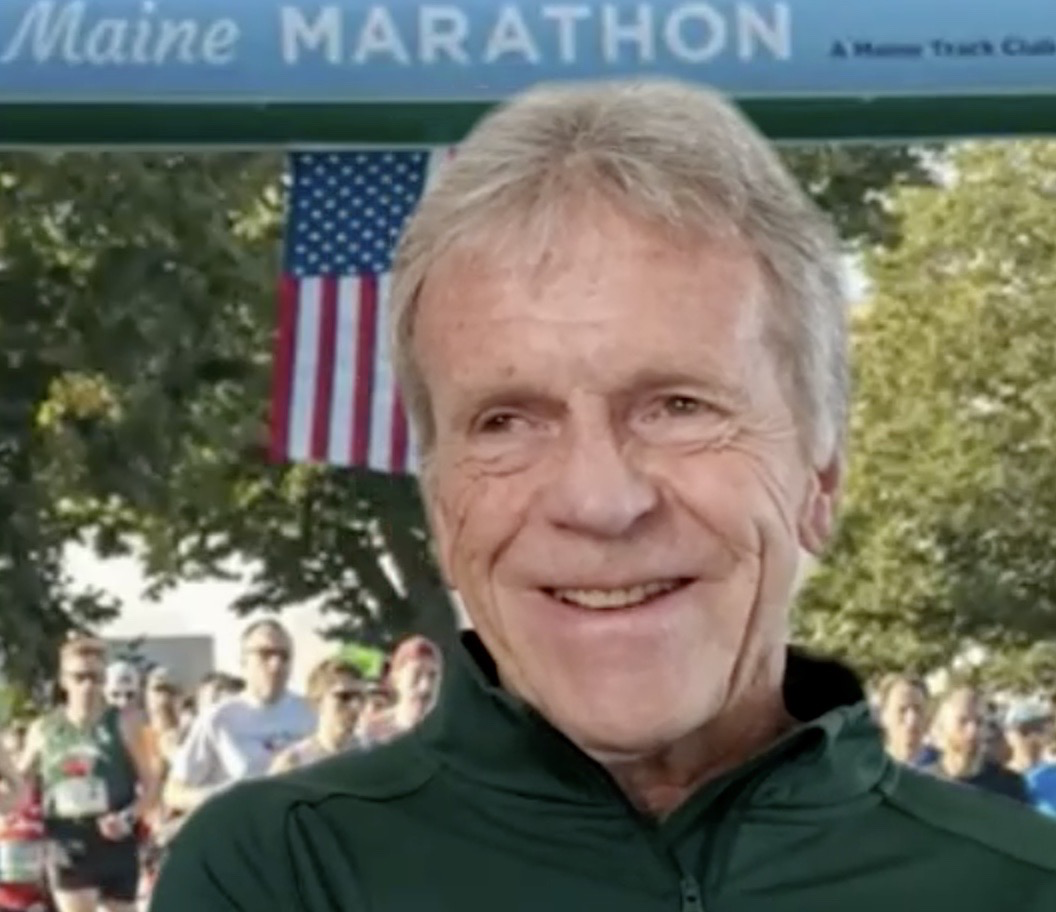
John J. (“Jack”) Maresca spent a career as an American diplomat and negotiator, after six years as a US Naval Officer. He was the “Chef de Cabinet” for two NATO Secretaries General, and was involved in the CSCE negotiations from the time when NATO was preparing for them in Brussels. He went to Helsinki for the opening round of the CSCE, pursued the negotiations through the first CSCE conference, which was concluded at the summit level in Helsinki, and became the Deputy Head of the United States Delegation. He was then responsible for the State Department office which tracked the follow-up to the Conference and was later named as the Ambassador and Chief of the American delegation when the Conference was reconvened in Vienna to prepare for the second CSCE summit in Paris. He was then designated as a special Ambassadorial envoy to open US relations with the newly independent states after the dissolution of the former USSR and was the first official American visitor to these countries after their independence.
2014